
Why Uganda’s (2026) Shs 1.3 Trillion Squeeze Proves We Learned from Britain’s Sad GHOST of "BLACK WEDNESDAY" (1992) Financial Crash
The pressure on our currency echoes Britain’s financial crash of September 16, 1992, etched into memory as "Black Wednesday."
ANALYSIS
BY BARRISTER PETER MAGOMU MASHATE
As I watch the Ugandan Shilling navigate turbulent global financial waves—recovering toward Shs 4,050 per US dollar after touching highs near Shs 4,500—I am reminded of a sobering chapter in macroeconomic history.
The pressure on our currency echoes Britain’s financial crash of September 16, 1992, etched into memory as "Black Wednesday."
Understanding how the United Kingdom was humbled in 1992 is essential to appreciating why the Bank of Uganda’s (BoU) aggressive Shs 1.3 trillion liquidity mop-up and Treasury bond strategy are critical to our economic survival today.
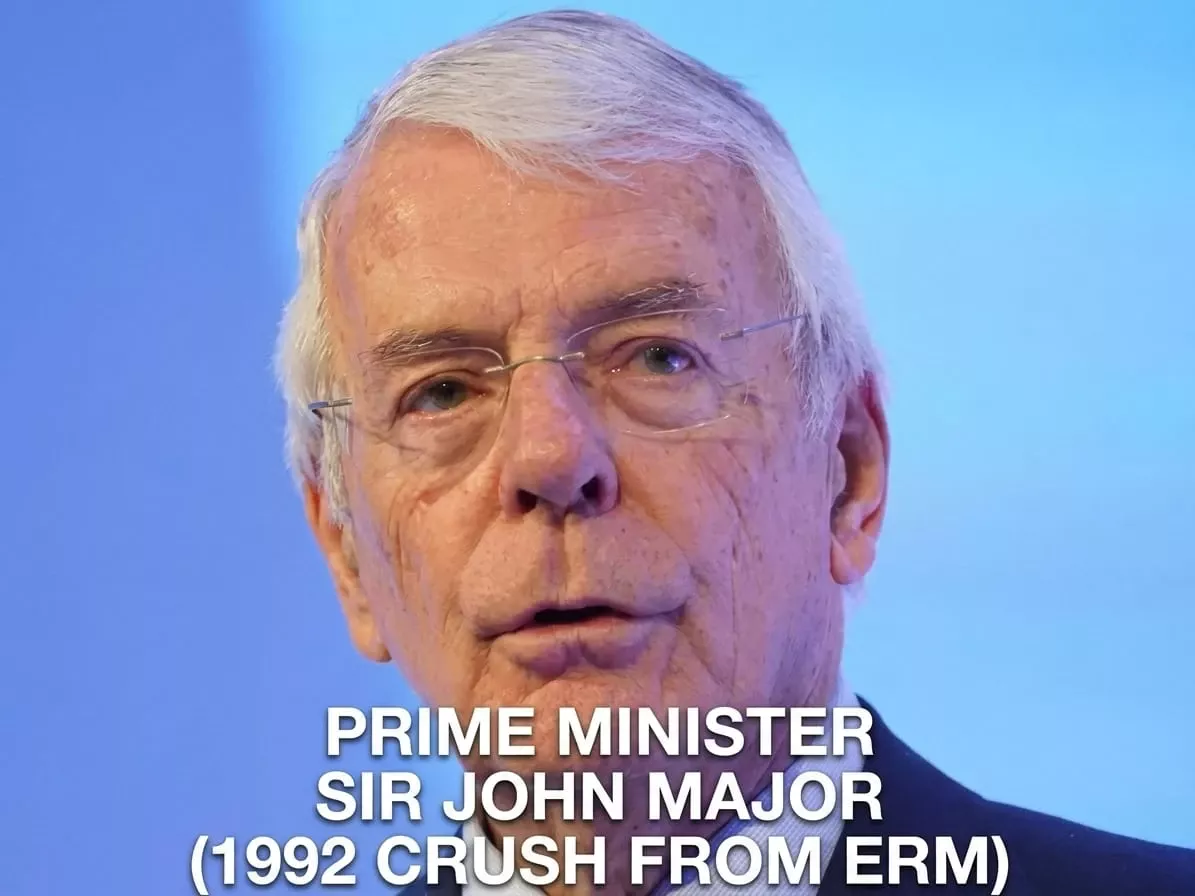
On that fateful Wednesday in 1992, under Prime Minister John Major and Chancellor Norman Lamont, a global financial superpower was brought to its knees. Britain crashed out of the European Exchange Rate Mechanism (ERM) because it chose political pride over mathematical reality.
As the Bank of England burned through billions in foreign reserves and hiked interest rates to 15% in a single day, it proved that no sovereign wall can defend an unsustainable economic illusion.
Billionaire investor George Soros, who became known as the man who "broke the Bank of England," spotted that the pound was artificially overvalued against the German Deutschmark. He built a massive $10 billion short position. As speculators dumped pounds, the Bank of England exhausted its reserves trying to defend an artificial peg. By evening, London surrendered, and Soros walked away with roughly $1 billion in profit.
As a legal scholar, practitioner and keen observer of global finance, I submit that Black Wednesday is more than a British cautionary tale; it is a vital textbook for developing nations facing volatile currencies and heavy external debt.
Looking at our landscape in Kampala, the Shilling’s slide from roughly Shs 3,604 earlier in 2026 toward Shs 4,500 showed that global shocks spare no one. Yet when I examine the decisive actions taken by our economic managers—specifically withdrawing nearly Shs 1.3 trillion from circulation—I see a central bank weaponizing history to protect us.
First, I commend Uganda for escaping the trap of artificial currency pegs. Britain’s downfall stemmed from defending an overvalued exchange rate, which subsidizes imports while destroying local exports.
Fortunately, Uganda committed long ago to a market-determined exchange rate. Rather than burning reserves to fight an overarching trend, the Bank of Uganda lets the Shilling find its true value, intervening only to smooth short-term volatility.
Second, we have refused to outsource our monetary policy. In 1992, Britain’s hands were tied to Germany’s high interest rates even while fighting a domestic recession. Developing nations often feel pressured to mirror the US Federal Reserve or European Central Bank. Yet Uganda’s currency pressures stem from domestic and regional realities: a widened current account deficit, softer coffee and cocoa export prices, tourism headwinds, rising fuel costs, and doubled foreign exchange demand from our energy sector ahead of oil production.
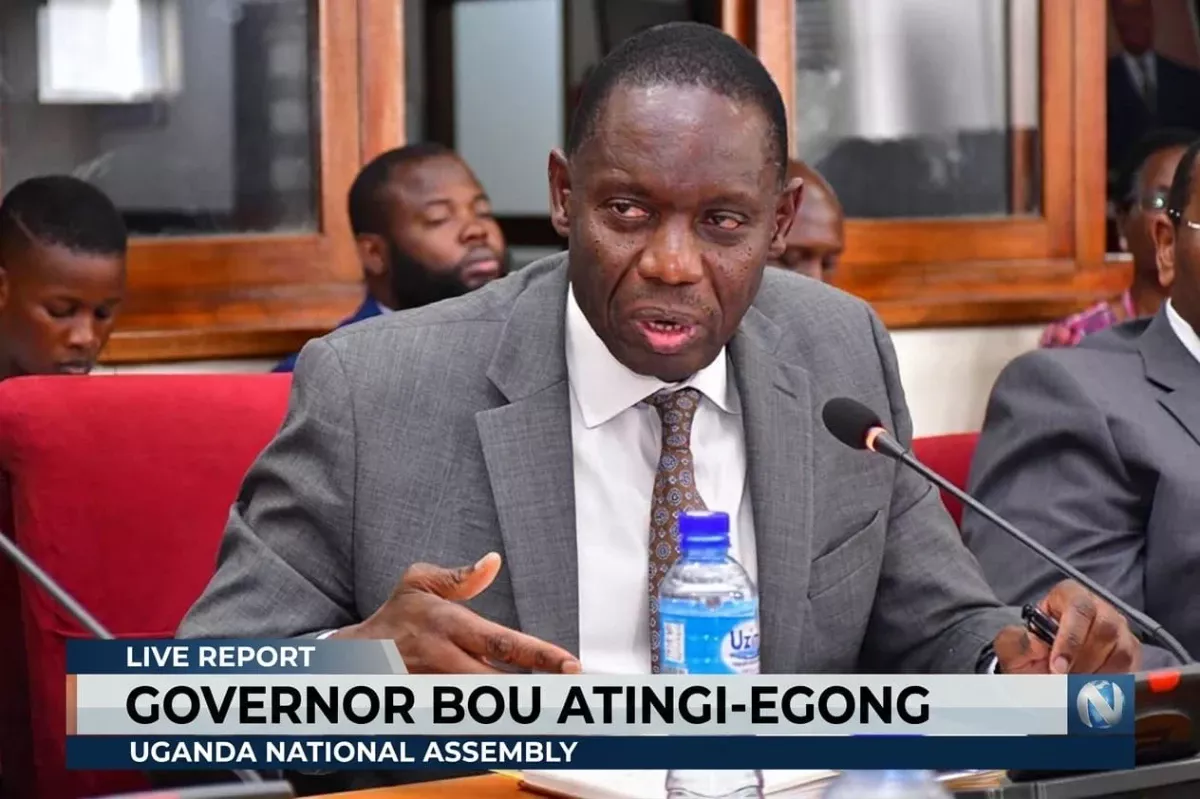
Instead of waiting for cues from Washington or Frankfurt, Governor Michael Atingi-Ego acted on local data. By raising the Central Bank Rate (CBR) by 225 basis points to 12% and increasing commercial banks’ Cash Reserve Requirement (CRR) from 11% to 13.5%, the BoU absorbed nearly Shs 1.3 trillion in excess liquidity.
As the Governor recently noted before Parliament, drying up excess Shillings directly curbs speculative dollar demand, pulling the Shilling back from Shs 4,500.
Third, this rate hike has revitalized our Treasury bond market as a vital release valve. When global conditions tightened earlier this year, offshore investors pulled roughly $200 million from Uganda’s debt market, draining dollar liquidity.
Lifting the CBR to 12% made government securities attractive again.
At a recent Shs 1.4 trillion securities auction, offshore investors returned to snap up over Shs 200 billion in Treasury bonds, injecting fresh foreign exchange into the economy.
Meanwhile, Uganda has grown its foreign reserves by 56% to roughly $6.7 billion and launched a domestic gold purchase program to anchor reserves in tangible assets.
Finally, Black Wednesday proved that central bank independence and fiscal discipline are non-negotiable.
Britain’s panic-induced rate hikes shattered credibility because markets saw politicians pulling the levers. While a 12% CBR creates short-term borrowing pain for local businesses, independent monetary policy requires data-driven resolve rather than populism.
Still, our ultimate test lies in matching Governor Atingi-Ego’s monetary squeeze with strict fiscal restraint. Facing roughly $1.55 billion in external debt servicing alongside trillions in domestic obligations, the Ministry of Finance must avoid leaning on the Central Bank to fund deficits.
My takeaway from 1992 is clear: market forces always overpower sovereign arrogance. By maintaining a flexible exchange rate, mopping up Shs 1.3 trillion in excess liquidity, attracting capital through competitive Treasury bonds, and diversifying into gold, Uganda is proving that structural flexibility beats rigid financial pride. Is it not?
THE WRITER IS: BARRISTER PETER MAGOMU MASHATE, AN ADMINISTRATIVE, CONSTITUTIONAL & HUMAN RIGHTS BARRISTER-AT-LAW, CALLED TO THE BAR BY THE HONOURABLE SOCIETY OF LINCOLN’S INN OF COURT, LONDON, UNITED KINGDOM.
e2016v29@yahoo.com

John Kusolo is a Pastor, Sports Enthusiast and Ugandan journalist with Nile Chronicles News (NCN). With a strong commitment to journalistic excellence, he is recognized for his dedication, goal-oriented approach, and ability to thrive in challenging environments. Kusolo brings focused motivation and professionalism to his reporting and media assignments.













Comments (0)