
Nekesa Calls on Namayingo Residents to Embrace Museveni’s Four-Acre Model and PDM for Household Wealth Creation
In her address, Nekesa challenged households to move away from subsistence production and take advantage of government interventions designed to increase agricultural productivity, boost incomes and create sustainable sources of wealth.
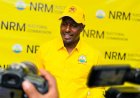
NAMAYINGO — National Resistance Movement (NRM) National Treasurer, Hon. Ambassador Barbara Nekesa Oundo, has urged residents of Namayingo District to embrace government wealth creation programmes, particularly the Four-Acre Model and the Parish Development Model (PDM), as practical pathways to fighting household poverty and improving livelihoods.
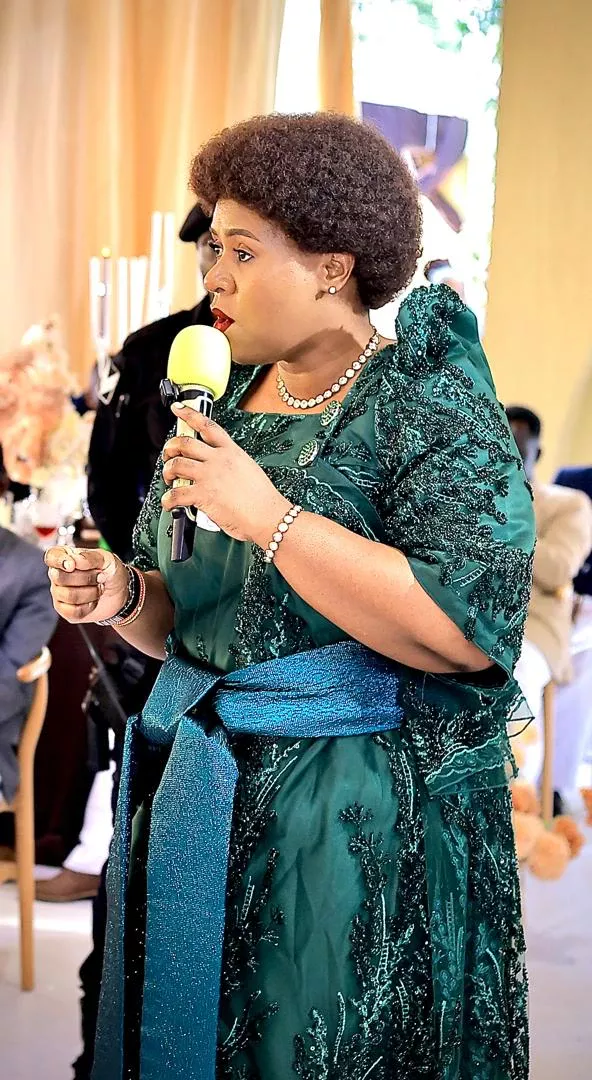
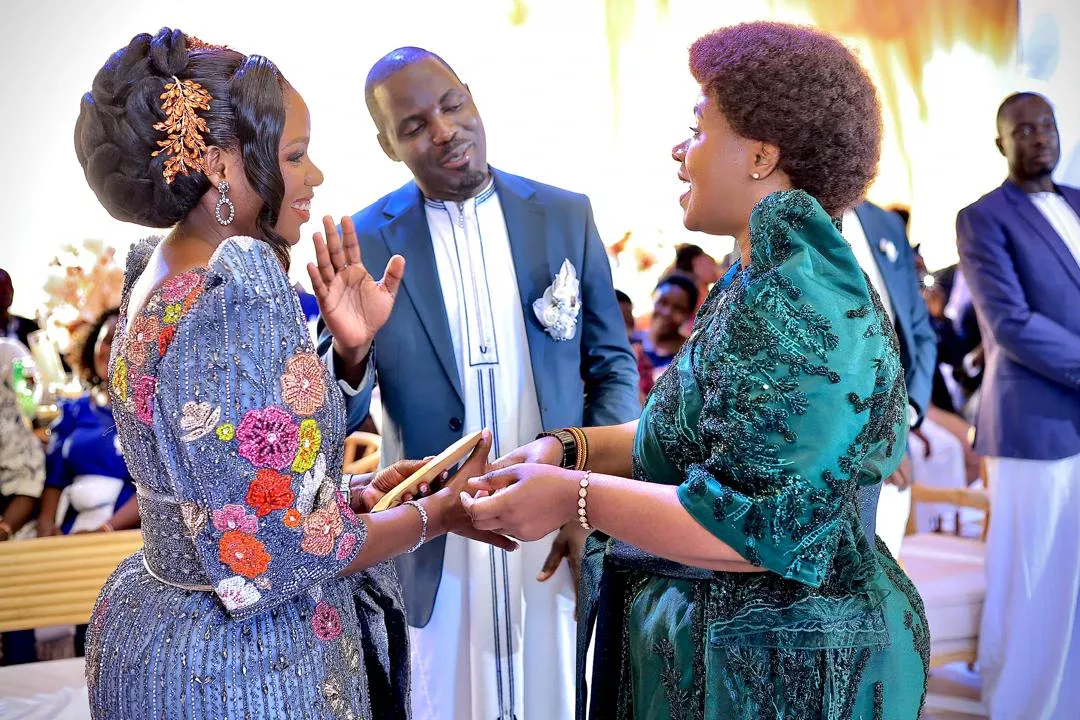
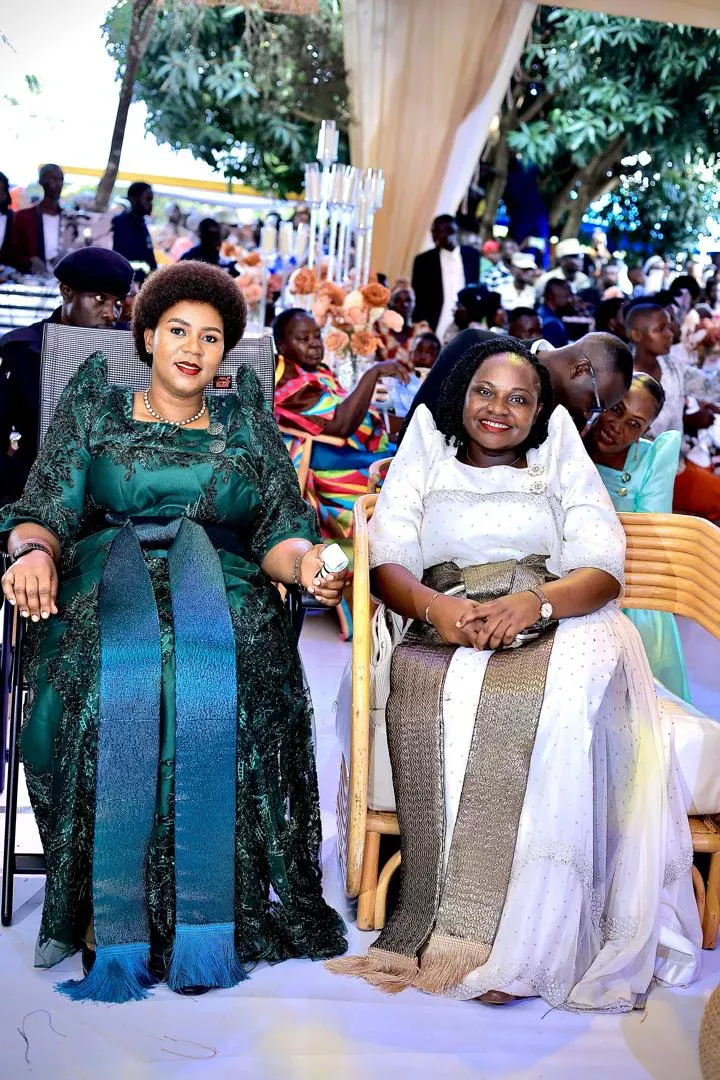
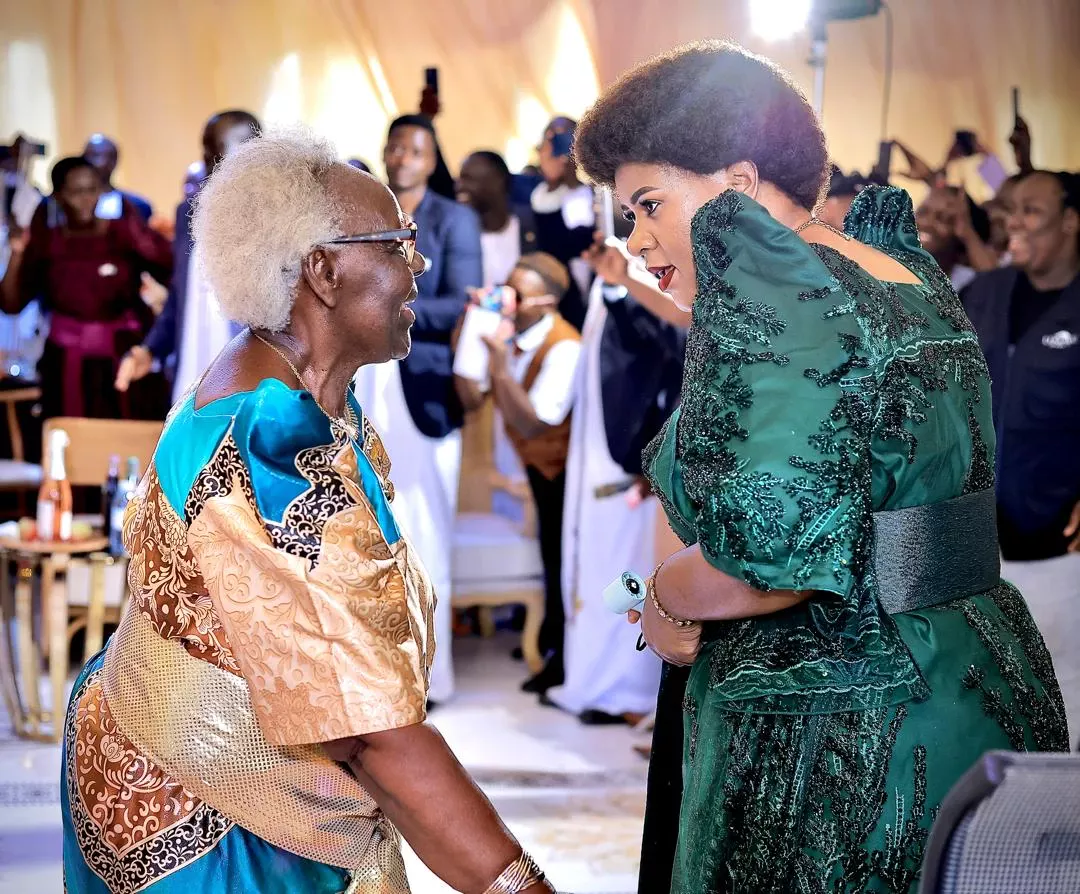
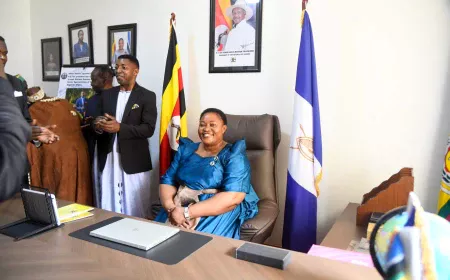
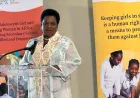
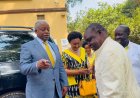
Nekesa made the appeal over the weekend while addressing a large gathering in Namayingo during the traditional introduction ceremony of the husband of Namayingo District Woman Member of Parliament, Hon. Robina Hope Mukisa, to her parents.
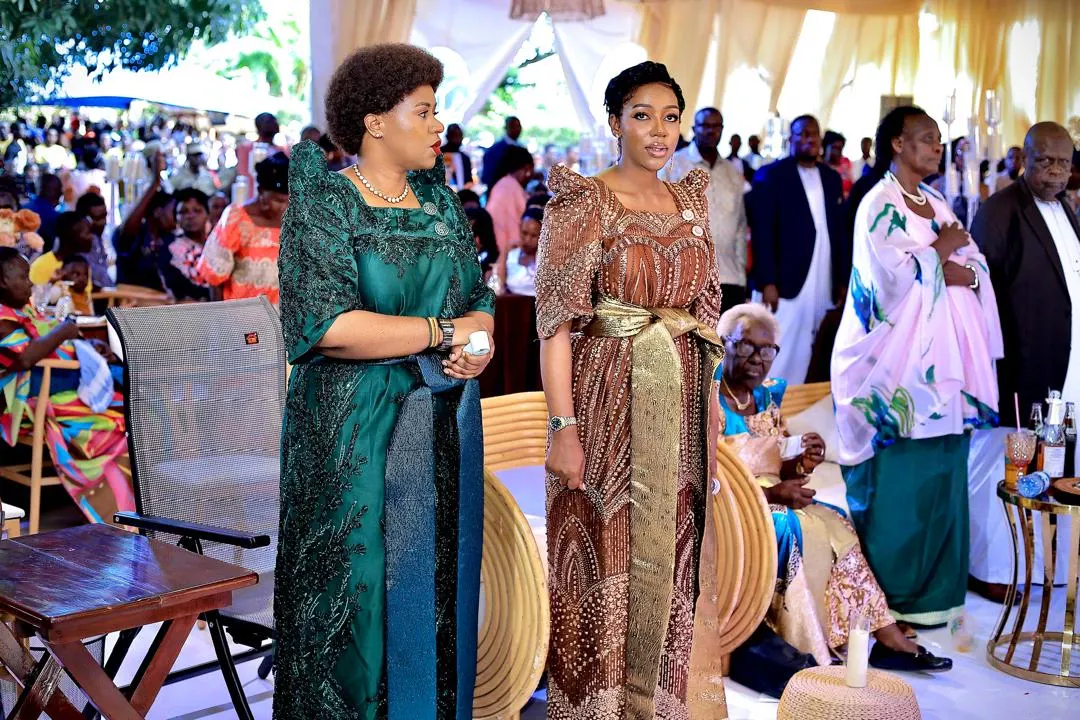
The ceremony, which brought together family members, political leaders, community figures and residents, also provided an opportunity for the senior NRM leader to rally communities behind the government's economic transformation agenda.
In her address, Nekesa challenged households to move away from subsistence production and take advantage of government interventions designed to increase agricultural productivity, boost incomes and create sustainable sources of wealth.
She particularly highlighted President Yoweri Kaguta Museveni's Four-Acre Model, which encourages households with relatively small pieces of land to engage in commercial agriculture through carefully selected enterprises that can generate regular income.
Nekesa explained that the model provides an opportunity for families to maximise the productive potential of their land rather than relying entirely on traditional subsistence farming.
She encouraged residents to identify suitable agricultural enterprises, adopt improved farming practices and produce for the market, noting that household prosperity depends largely on the willingness of individuals to utilise available opportunities.
“People must put the improved roads to use to transport agricultural products and other businesses,” Nekesa said.
She further urged residents to take advantage of funds available under the Parish Development Model, explaining that the programme provides an important opportunity for households to transition from the subsistence economy into the money economy.
According to Nekesa, accessing PDM funds and investing them in productive income-generating activities would enable families to expand their businesses, improve their earnings and gradually overcome poverty.
She cautioned against allowing government programmes to remain underutilised, emphasising that their intended impact can only be realised when beneficiaries take responsibility for investing the resources in viable economic activities.
Improved Roads Should Translate into Better Household Incomes
The NRM National Treasurer also drew attention to the importance of infrastructure development, particularly improved road networks, in supporting agricultural production and commercial activities.
She observed that better roads have created opportunities for farmers and businesspeople to transport their produce to markets, access essential services and participate more effectively in economic activities.
Nekesa challenged residents to take advantage of these infrastructure investments by increasing production and expanding their commercial activities.
She noted that infrastructure development should not merely be viewed as a government achievement but as an economic opportunity that communities must utilise to improve their living standards.
Her message was that improved connectivity, combined with agricultural modernisation and access to affordable financing, can significantly contribute to household-level economic transformation.
Nekesa Thanks Museveni for Peace and Development
During the function, Nekesa also expressed appreciation to President Museveni and the NRM government for what she described as their contribution to restoring and maintaining peace, promoting national unity and facilitating development in Namayingo District and other parts of Uganda.
She observed that peace and stability remain important foundations for economic progress, allowing citizens to engage in agriculture, trade, investment and other productive activities without disruption.
The senior NRM leader encouraged residents to appreciate the development interventions implemented by the government and complement them through active participation in wealth creation initiatives.
She emphasised that government efforts must be matched by individual commitment, hard work and responsible utilisation of available opportunities if communities are to achieve meaningful improvements in their economic circumstances.
Family Celebration Becomes a Platform for Development Mobilisation
The function was primarily organised to celebrate the formal introduction of Hon. Robina Hope Mukisa's husband to her parents, marking an important milestone in the couple's family life.
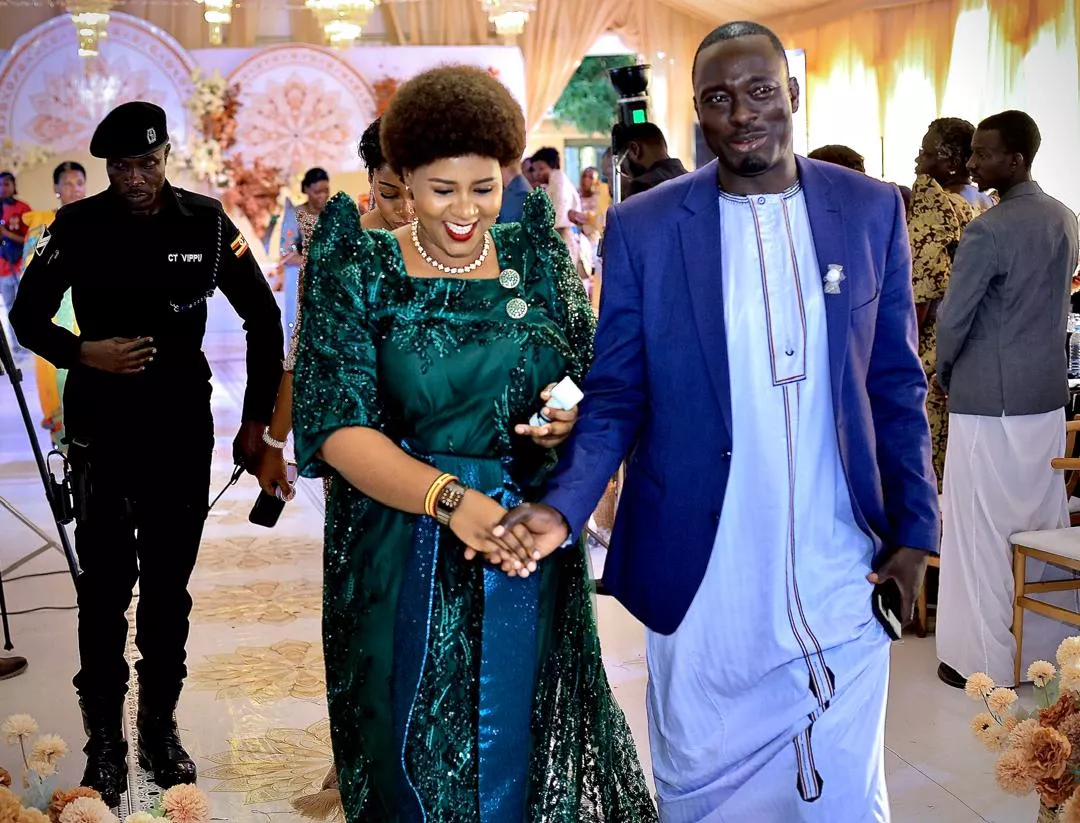
However, the gathering also provided an opportunity for leaders to engage residents on issues affecting their livelihoods and the broader development agenda.
Nekesa used the occasion to connect the significance of community gatherings with the need for collective responsibility in promoting economic empowerment.
Her appeal placed particular emphasis on the need for households to move beyond dependence on subsistence agriculture and embrace commercial production, enterprise development and government-supported financing opportunities.
For Namayingo residents, the message was a call to turn available government programmes and infrastructure investments into practical economic benefits.
Ultimately, Nekesa's address reinforced the NRM government's emphasis on household income enhancement through agricultural commercialisation, financial inclusion and infrastructure development.
She urged residents to embrace the Four-Acre Model, make productive use of PDM funds and exploit improved road networks to create wealth, stressing that sustainable poverty reduction begins with empowered households willing to take advantage of available opportunities.
John Kusolo is a Pastor, Sports Enthusiast and Ugandan journalist with Nile Chronicles News (NCN). With a strong commitment to journalistic excellence, he is recognized for his dedication, goal-oriented approach, and ability to thrive in challenging environments. Kusolo brings focused motivation and professionalism to his reporting and media assignments.






Comments (0)